
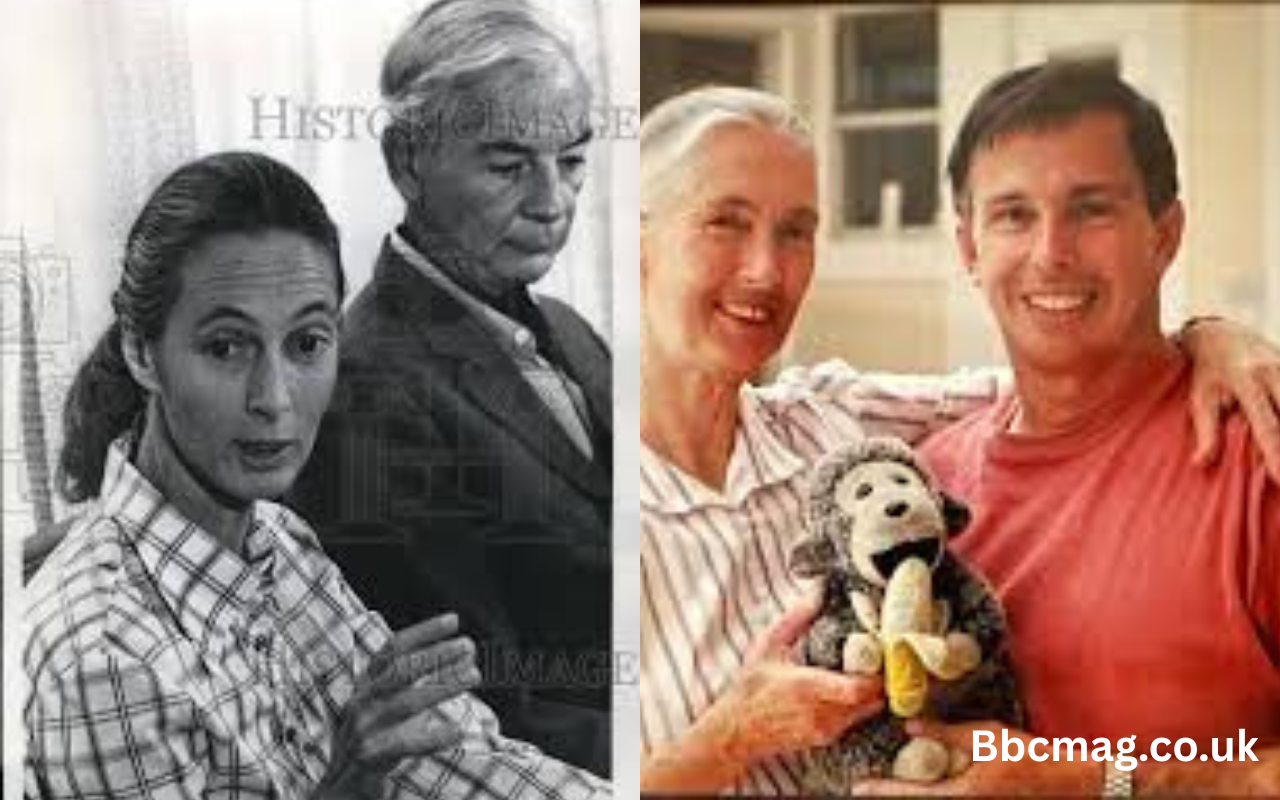
Early Life and Childhood of Derek Bryceson
Derek Noel Maclean Bryceson was born on December 31, 1922, in China, a rather unusual birthplace for a man who would later become one of Tanzania’s most influential political figures. His early years were shaped by a British upbringing and education, giving him a strong foundation in discipline, leadership, and public responsibility. Although details about his parents and family life remain limited in public records, it is clear that his childhood exposed him to diverse cultures and international perspectives from an early age.
Growing up during a period of global uncertainty, Bryceson witnessed the social and political changes that transformed the twentieth century. The world around him was rapidly evolving, and these developments likely influenced his understanding of leadership, justice, and international cooperation. His upbringing encouraged curiosity and resilience, qualities that would later define both his personal and professional life.
Unlike many individuals who remain within the boundaries of their birthplace or cultural background, Bryceson developed a broad worldview. This international outlook helped him adapt successfully to life in Africa, where he would eventually build his career, family, and legacy. The ability to connect with people from different backgrounds became one of his greatest strengths throughout his life.
Education and Academic Journey
Derek Bryceson attended the prestigious St. Paul’s School in London, one of England’s most respected educational institutions. His years there helped develop his intellectual abilities and leadership qualities. Teachers and mentors recognized his determination and potential, encouraging him to pursue higher education despite the challenges of a world moving toward war.
After completing his schooling, Bryceson eventually enrolled at Trinity College, Cambridge University, where he studied Agricultural Science. This academic choice reflected his practical mindset and interest in land management, farming, and rural development. Agriculture was a vital sector across many parts of the world, and Bryceson understood its importance in creating economic stability and improving people’s lives.
His education at Cambridge provided much more than technical knowledge. It taught him critical thinking, strategic planning, and problem-solving skills that would later serve him well in politics and public administration. The combination of academic excellence and practical experience became a hallmark of his career, enabling him to bridge theory and real-world challenges effectively.
Military Service and Extraordinary Recovery
One of the most remarkable chapters in Derek Bryceson’s life began during World War II when he joined the Royal Air Force. Like many young men of his generation, he felt a sense of duty to serve during one of history’s most devastating conflicts. He became a fighter pilot and demonstrated courage in extremely dangerous circumstances.
While flying missions over Egypt, Bryceson’s aircraft was shot down. The accident left him with severe injuries, and medical professionals reportedly informed him that he would never walk again. For many people, such a diagnosis would have ended hopes for an active future. However, Bryceson refused to accept defeat. Through determination, rehabilitation, and immense personal strength, he regained significant mobility and rebuilt his life.
This recovery became a defining feature of his character. Throughout his life, he carried the lessons learned during this difficult period. His perseverance inspired those around him and demonstrated that physical limitations need not prevent a person from achieving extraordinary goals. The resilience he showed during these years would later influence his approach to politics, conservation, and public service.
Key Lessons from His Recovery
- Persistence can overcome seemingly impossible obstacles.
- Physical challenges do not define a person’s future.
- Determination often creates opportunities where others see limitations.
Moving to East Africa and Beginning a New Chapter
After completing his studies, Bryceson moved to Kenya in 1946. East Africa offered opportunities for agriculture, entrepreneurship, and adventure. He established himself as a farmer and quickly became involved in local communities. This move marked the beginning of a lifelong connection with Africa that would shape his future identity and career.
While living in Kenya, he married Bobbie Littleton and began building a family life. Farming taught him practical lessons about economic development, land management, and the challenges faced by rural populations. These experiences would later influence many of the policies he supported as a government minister.
In 1952, Bryceson relocated to Tanganyika, now Tanzania, where he operated a farm near Mount Kilimanjaro. The region’s natural beauty and cultural diversity deepened his connection to East Africa. More importantly, his farming activities brought him into contact with emerging political leaders, including Julius Nyerere, a relationship that would transform his future.
Friendship with Julius Nyerere and Entry into Politics
Among the most important relationships in Derek Bryceson’s life was his friendship with Julius Nyerere, who later became Tanzania’s founding president. Their connection began through shared discussions about the future of Tanganyika and the possibilities of building a democratic, inclusive society. Bryceson admired Nyerere’s vision and became one of his earliest European supporters.
At a time when many colonial societies were divided by race and political tensions, Bryceson took a courageous stance by supporting African self-governance. His commitment to equality and cooperation earned him respect among local communities and political leaders alike. Rather than viewing independence as a threat, he saw it as an opportunity to create a fairer society.
His growing involvement in public affairs eventually led him into formal politics. As Tanganyika moved toward independence, Bryceson emerged as a trusted figure capable of bridging cultural and political divides. His unique background allowed him to communicate effectively with diverse groups and contribute meaningfully to nation-building efforts.
Political Career and Government Leadership
Derek Bryceson officially entered government service in 1957 when he became Assistant Minister of Social Services. This appointment marked the beginning of a distinguished political career that would span multiple ministries and critical periods in Tanzania’s development. His practical experience and commitment to public service quickly earned him recognition among colleagues and voters.
Over the years, he held several important cabinet positions, including Minister for Mines and Commerce, Minister of Health and Labour, and Minister of Agriculture. These roles placed him at the center of policymaking during a transformative era. His work focused on economic growth, labor relations, agricultural development, and public welfare.
One of the most extraordinary aspects of Bryceson’s political career was that he became one of the very few freely elected white politicians in post-colonial Africa. His success reflected the trust he had earned among Tanzanian citizens and his unwavering commitment to national progress rather than racial politics. Historians continue to recognize his unique role in Tanzania’s early political history.
Major Government Positions
- Assistant Minister of Social Services
- Minister for Mines and Commerce
- Minister of Health and Labour
- Minister of Agriculture
- Member of Parliament
Contributions to Agriculture and Rural Development
Agriculture remained close to Bryceson’s heart throughout his career. His education in agricultural science and firsthand experience as a farmer provided valuable insights into the needs of rural communities. He understood that agricultural productivity was essential for economic growth, food security, and poverty reduction.
As Minister of Agriculture, he advocated policies designed to modernize farming practices and support agricultural development. His approach emphasized practical solutions rather than theoretical discussions. He worked to improve productivity while addressing challenges faced by farmers across Tanzania.
Bryceson’s efforts contributed to broader conversations about sustainable development and national self-sufficiency. Although Tanzania faced numerous economic challenges during this period, his commitment to agricultural advancement demonstrated his belief that strong rural communities formed the foundation of a successful nation.
Director of National Parks and Conservation Work
After leaving active electoral politics, Bryceson transitioned into a role that perfectly matched his passion for nature and wildlife. By the early 1970s, he became Director of Tanzania’s National Parks system, one of the country’s most important conservation positions. This appointment allowed him to combine leadership with environmental stewardship.
Tanzania is home to some of Africa’s most famous wildlife reserves, including Serengeti National Park and Gombe Stream National Park. Bryceson played an important role in protecting these natural treasures and promoting conservation efforts that balanced environmental protection with sustainable tourism.
His conservation work extended beyond administrative responsibilities. He genuinely believed that wildlife preservation was essential for future generations. Through his leadership, Tanzania strengthened its reputation as a global leader in conservation and eco-tourism. His contributions helped safeguard ecosystems that continue to attract researchers, tourists, and environmental advocates today.
Relationship and Marriage with Jane Goodall
Derek Bryceson’s relationship with world-famous primatologist and conservationist Jane Goodall remains one of the most discussed aspects of his personal life. The two first met in the late 1960s through their shared involvement in wildlife conservation and national park protection efforts in Tanzania. Their mutual passion for preserving nature created a strong bond.
As they spent more time together, their friendship gradually developed into a romantic relationship. Goodall admired Bryceson’s courage, intelligence, and commitment to conservation. He, in turn, respected her groundbreaking scientific work and dedication to understanding chimpanzees. Their shared values formed the foundation of a deep and meaningful partnership.
The couple married in 1975 and spent several happy years together. Bryceson actively supported Goodall’s conservation efforts and helped protect her research projects in Tanzania. Although their marriage was tragically cut short by his illness and death, Goodall often spoke warmly of the profound impact he had on her life.
