
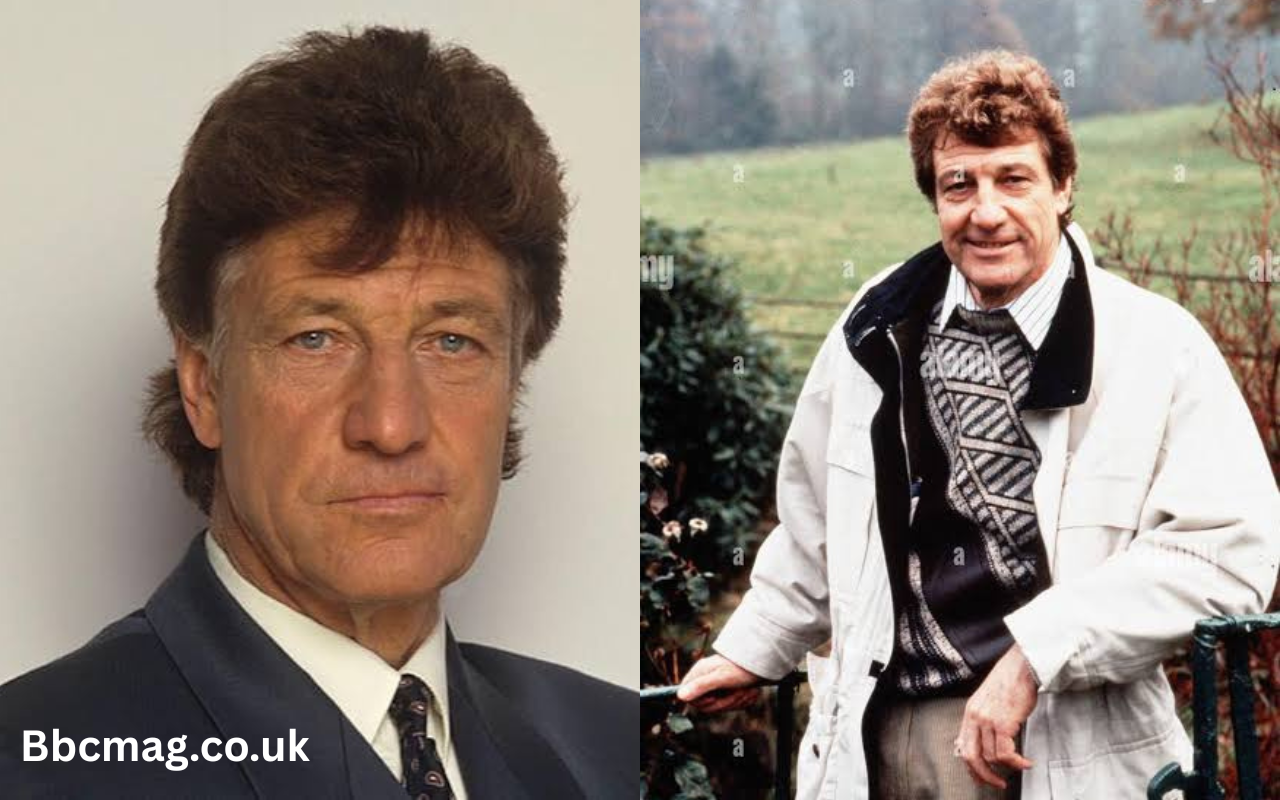
Early Life and Family Background
Norman Clifford Bowler was born on August 1, 1932, in London, England, at a time when Britain was experiencing significant social and economic change. Growing up in pre-war and wartime London gave him firsthand experience of resilience, discipline, and determination. These qualities would later become defining characteristics of both his personal life and his acting career. Unlike many actors who were raised in theatrical families, Bowler came from a hardworking household where craftsmanship and dedication were highly valued.
Table of Contents
ToggleHis father, Clifford Norman Bowler, worked as a respected watchmaker and jeweller, operating a family business in West Hampstead. Before acting entered his life, Norman briefly worked alongside his father, learning the importance of patience, precision, and responsibility. Those early experiences outside the entertainment industry helped shape his grounded personality and gave him a strong work ethic that colleagues would admire throughout his decades-long career. Rather than chasing fame, Bowler always approached acting as a profession that demanded commitment and continuous improvement.
Public information about Bowler’s mother and siblings remains limited, as he consistently kept his family life away from media attention. Even during the height of his popularity in British television, he rarely discussed private matters in interviews. This quiet approach earned him respect within the entertainment industry and allowed audiences to focus on his performances rather than celebrity headlines. His modest upbringing remained an important influence throughout his life, reminding him to stay humble despite professional success.
Education and Discovering His Passion for Acting
Norman Bowler’s path into acting was anything but conventional. After leaving school, he initially worked in his father’s watchmaking business before spending two years as a deck boy in the Merchant Navy. Those years exposed him to different cultures, people, and experiences, broadening his understanding of human nature. Travelling at a young age also helped build the confidence and adaptability that would later become valuable assets in his acting career.
His interest in acting gradually grew stronger, leading him to enroll in part-time classes at the City Literary Institute in London. Instead of attending a prestigious drama academy full-time, Bowler balanced education with practical experience, developing his skills step by step. He soon joined repertory theatre, where he learned the discipline of live performance and gained confidence by portraying a wide range of characters. These early stage experiences taught him the fundamentals of storytelling, character development, and audience engagement.
An important chapter of his early adult life was his involvement with London’s famous Soho artistic community during the 1950s. He associated with influential creative figures such as Francis Bacon, John Minton, and Daniel Farson, an environment that exposed him to bold artistic ideas and encouraged creative expression. These friendships expanded his appreciation for literature, visual arts, and performance, helping shape the thoughtful actor audiences would later come to admire.
The First Steps in Professional Acting
Norman Bowler officially entered the entertainment industry during the late 1950s. One of his earliest opportunities came when he secured a seven-month contract with MGM, appearing in the film Tom Thumb in an uncredited role. Although the appearance was brief, it marked the beginning of a professional journey that would span more than fifty years. Shortly afterward, he moved to the United States for several years and even appeared on Broadway in The Caretaker, gaining valuable international theatre experience.
As television expanded rapidly across Britain during the 1960s, Bowler found increasing opportunities to showcase his talent. He appeared in numerous television dramas, often portraying police officers, military personnel, and authoritative figures. His natural screen presence, commanding voice, and calm demeanor quickly caught the attention of casting directors. Guest appearances in series such as The Avengers, Gideon’s Way, and Harpers West One allowed him to build an impressive portfolio while earning recognition as a dependable character actor.
These early years required patience and perseverance. Like many actors of his generation, Bowler accepted a wide variety of supporting roles before landing major opportunities. Every production helped refine his skills, and every performance strengthened his professional reputation. Instead of seeking instant fame, he steadily built a career based on consistency, reliability, and respect for the craft of acting—qualities that would eventually lead to his breakthrough roles.
Breakthrough Success with Softly, Softly
Norman Bowler’s biggest career breakthrough came in 1966 when he was cast as Detective Chief Inspector Harry Hawkins in the BBC police drama Softly, Softly. Originally appearing as Detective Sergeant Hawkins before his character earned promotions within the series, Bowler became one of the show’s most recognizable faces. The series, which later evolved into Softly, Softly: Task Force, remained one of Britain’s most respected crime dramas throughout the late 1960s and 1970s, and Bowler appeared throughout its entire run. His portrayal of the calm, intelligent, and principled detective earned widespread praise from viewers and critics alike.
What made Bowler’s performance stand out was his natural approach to acting. Instead of portraying a stereotypical television detective, he brought depth, patience, and humanity to Harry Hawkins. His character balanced authority with compassion, making him relatable to audiences who appreciated realistic police dramas. During a period when British television was producing increasingly sophisticated crime series, Bowler helped establish Softly, Softly as one of the genre’s defining programs. His performance demonstrated that compelling television did not require exaggerated action but rather believable characters and thoughtful storytelling.
The success of Softly, Softly transformed Norman Bowler from a dependable supporting actor into a respected television star. It also opened doors to a wide variety of new opportunities across television and film. Producers recognized his ability to portray authority figures with authenticity, leading to numerous offers in historical dramas, adventure productions, and feature films. Even decades later, many television historians continue to regard Harry Hawkins as one of the most memorable detectives of classic British television.
Becoming Frank Tate in Emmerdale
While Softly, Softly established his reputation, Norman Bowler reached an even broader audience when he joined ITV’s Emmerdale in 1989 as Frank Tate, the wealthy businessman and patriarch of the Tate family. His arrival marked one of the biggest turning points in the soap’s history, introducing a powerful new family that brought wealth, ambition, conflict, and high-profile drama to the Yorkshire village. Frank Tate quickly became one of the central figures in the series, helping reshape Emmerdale into one of Britain’s most successful television soaps.
Frank Tate was far more than a wealthy businessman. Throughout nearly eight years on the show, Bowler portrayed a character whose life was filled with complicated relationships, family betrayals, business rivalries, and personal struggles. Storylines involving his marriage to Kim Tate, conflicts with his children Chris and Zoe, battles with alcoholism, and dramatic business feuds kept audiences engaged for years. Bowler’s ability to balance Frank’s strength with emotional vulnerability made the character feel believable despite the dramatic situations surrounding him. His chemistry with fellow cast members, particularly Claire King as Kim Tate, became one of the defining elements of the series during the 1990s.
In 1996, Bowler decided it was time to leave Emmerdale after more than seven years in the role. Rather than continuing indefinitely, he chose to pursue other interests, leading writers to create one of the soap’s most unforgettable exits. Frank Tate died from a heart attack after witnessing Kim Tate unexpectedly return, believing she had been dead. The dramatic episode remains one of the most iconic moments in Emmerdale history and is still remembered by longtime fans. Bowler’s portrayal ensured that Frank Tate would become one of the most legendary characters ever created for British soap television.
Other Notable Television and Film Roles
Although Norman Bowler is best remembered for Softly, Softly and Emmerdale, his career extended across dozens of television series and films over more than five decades. During the 1960s and 1970s, he became a familiar face in British entertainment, frequently appearing in popular dramas, historical productions, and adventure series. His versatility allowed him to move comfortably between leading roles and memorable supporting characters, earning the respect of producers and audiences alike.
Among his most notable performances was his appearance as Saturninus in the acclaimed television miniseries Jesus of Nazareth (1977), directed by Franco Zeffirelli. He also portrayed Titinius in Julius Caesar (1970), appeared alongside James Caan in the World War II film Submarine X-1, and took roles in productions such as The Avengers, Crossroads, The Island of Adventure, They Call Me Renegade, and Living in Hope. These projects showcased his ability to perform across historical dramas, literary adaptations, crime series, and feature films with equal confidence.
Personal Life, Marriage, and Family
Despite spending decades in the public eye, Norman Bowler has always been known as one of Britain’s most private actors. Unlike many television personalities who frequently shared details of their personal lives with the media, Bowler preferred to keep the spotlight on his work rather than his family. This reserved nature earned him respect among colleagues and allowed him to maintain a peaceful life away from the pressures of celebrity culture. Even during the height of his success on Emmerdale, he rarely gave interviews discussing his private affairs, choosing instead to let his performances define his public image.
Bowler married three times during his lifetime. His first marriage was to writer and artist Henrietta Moraes, a well-known figure within London’s bohemian art scene. The couple had two children before eventually separating. Years later, it became publicly known that one of their children was biologically fathered by Colin Tennant, 3rd Baron Glenconner, a revelation that attracted media attention because of Moraes’ connections with several famous artists and writers. Despite the public interest, Bowler handled the matter with dignity and avoided discussing it publicly, remaining committed to protecting his family’s privacy.
His third wife, Dianne Bowler, became his lifelong companion and partner in many charitable activities. Together they spent several years in Auroville, an international township in Tamil Nadu, India, where they dedicated much of their time to community service and educational projects. Dianne’s death in 2012 marked one of the most difficult periods of Bowler’s life, but their shared commitment to helping others remains one of the defining aspects of his personal legacy.
Charity Work and Life Beyond Acting
After stepping away from regular television acting, Norman Bowler devoted much of his energy to humanitarian work rather than seeking new screen roles. Together with Dianne, he became actively involved in projects supporting villages around Auroville, where they worked with local communities to improve education and encourage artistic expression. Instead of simply donating money, Bowler chose to contribute his time and experience, believing that creativity and education could positively influence young people’s futures.
One of his most meaningful contributions involved working with children and amateur theatre groups. Drawing on decades of acting experience, he helped local performers develop confidence, communication skills, and creativity through drama. He also entertained children, participated in educational activities, and supported several community initiatives designed to improve everyday life for residents in nearby villages. His work reflected a belief that acting could be a tool for education and personal development rather than entertainment alone.
In 2012, Bowler recorded a dramatic reading of Samuel Taylor Coleridge’s famous poem The Rime of the Ancient Mariner to raise funds for the Auroville Trust. The recording demonstrated that even after retiring from mainstream acting, he continued using his voice and artistic abilities to support worthwhile causes. His charitable efforts illustrate that his greatest achievements were not limited to television but also included making a lasting difference in communities far from the spotlight.
Awards, Recognition, and Lasting Influence
Although Norman Bowler never built his career around winning awards, he earned something equally valuable—lasting respect from audiences, critics, producers, and fellow actors. His career lasted for more than five decades, a remarkable achievement in an industry known for constant change. By consistently delivering believable performances across crime dramas, historical productions, and soap operas, Bowler became one of Britain’s most dependable television actors. His longevity alone speaks volumes about his talent and professionalism.
Perhaps his greatest recognition comes from the enduring popularity of two unforgettable characters: Detective Chief Inspector Harry Hawkins in Softly, Softly and Frank Tate in Emmerdale. Both roles continue to be celebrated by fans of classic British television, and episodes featuring Bowler are still watched by new generations through reruns and streaming services. His ability to make complex characters feel authentic ensured that these performances remained relevant long after their original broadcasts.
Some of Norman Bowler’s most significant career achievements include:
- A professional acting career spanning more than 50 years.
- Leading roles in two of Britain’s most successful television dramas.
- Performances in internationally acclaimed productions such as Jesus of Nazareth.
- Meaningful humanitarian work supporting education and community development in India.
- A lasting reputation as one of British television’s finest character actors.
Net Worth and Sources of Income
After enjoying a professional acting career that lasted for more than five decades, Norman Bowler is believed to have accumulated a comfortable financial position. However, it is important to note that he has never publicly disclosed his wealth, and there are no official records confirming his exact net worth. Various entertainment websites have offered estimates over the years, but these figures remain speculative and should be treated as unofficial rather than factual. A reasonable estimate places his net worth in the range of $1 million to $3 million, based on the longevity of his television career and consistent acting work rather than verified financial statements.
The majority of Bowler’s income came from his extensive work in television. Long-running roles in successful productions such as Softly, Softly and Emmerdale provided steady earnings over many years, while appearances in feature films, television dramas, and stage productions added further income. During an era before social media sponsorships and influencer marketing became common, experienced actors like Bowler primarily relied on acting contracts, repeat television appearances, royalties, public events, and occasional voice work. His career reflects the traditional path followed by many respected British actors who built financial stability through consistent employment rather than commercial endorsements.
Unlike many modern celebrities, Norman Bowler never appeared interested in displaying wealth or pursuing a luxurious public lifestyle. Friends and colleagues have often described him as thoughtful, practical, and community-minded. Instead of using his later years to maximize commercial opportunities, he devoted significant time to charitable activities in India alongside his wife, demonstrating that personal fulfillment and social contribution mattered more to him than material success. His financial legacy, therefore, is best understood as the result of decades of honest professional work rather than celebrity branding.
Social Media Presence and Public Image
Norman Bowler belongs to a generation of actors who established successful careers long before the rise of social media. As a result, he does not maintain verified public accounts on Instagram, X (formerly Twitter), Facebook, LinkedIn, or TikTok. Fans searching online will occasionally come across unofficial fan pages or television archive accounts, but none of these are managed by Bowler himself. This absence from social media reflects his lifelong preference for privacy rather than public exposure.
Throughout his career, Bowler built his reputation through the quality of his performances instead of constant media appearances. Even while starring in one of Britain’s most-watched television dramas, he avoided publicity campaigns and celebrity gossip. Audiences came to know him through memorable characters rather than personal headlines, allowing his acting to remain the focus of public attention. In today’s entertainment industry, where online engagement often plays a major role in celebrity culture, Bowler represents an earlier generation that relied solely on talent, professionalism, and consistency.
Although he is not active on social platforms, his work continues to reach new audiences through television reruns, streaming services, DVD collections, and online discussions dedicated to classic British drama. Fans regularly revisit his performances as Harry Hawkins in Softly, Softly and Frank Tate in Emmerdale, introducing younger viewers to an actor whose work has stood the test of time. His lasting popularity demonstrates that genuine talent can remain relevant even without an online presence.
Recent Life, Legacy, and Lasting Influence
Following his retirement from regular acting, Norman Bowler has largely remained away from public life. Rather than returning for frequent television appearances or seeking renewed celebrity attention, he chose a quieter lifestyle focused on personal interests and community service. His years spent supporting educational and charitable projects in Auroville, India, remain among the most meaningful chapters of his later life and highlight his belief that success should also benefit others.
Today, Norman Bowler’s legacy rests on two remarkable achievements. The first is his contribution to British television through unforgettable performances that continue to entertain audiences decades after their original broadcast. The second is his humanitarian work, which demonstrated that creativity and compassion can work together to improve lives. These two aspects of his life complement one another, presenting a picture of an actor who valued both artistic excellence and social responsibility.
Television historians continue to recognize Bowler as one of the dependable performers who helped define the golden age of British television drama. His work remains an important part of the history of series such as Softly, Softly and Emmerdale, while his charitable efforts remind people that meaningful success extends beyond awards and popularity. Even in retirement, his influence continues through the characters he brought to life and the positive impact he made within the communities he served.
Conclusion
Norman Bowler’s journey is a powerful example of what dedication, patience, and authenticity can achieve. From his early days working in his father’s watchmaking business to becoming one of Britain’s most respected television actors, he built a career founded on professionalism rather than publicity. His memorable performances in Softly, Softly and Emmerdale earned the admiration of millions, while his later humanitarian work revealed the generous character behind the screen.
What makes Bowler’s story especially inspiring is that his success was never measured solely by fame or financial achievement. Instead, he demonstrated that lasting respect comes from consistent hard work, personal integrity, and a willingness to use one’s talents for the benefit of others. His life reminds aspiring actors that meaningful careers are built gradually through perseverance, continuous learning, and commitment to excellence.
As Norman Bowler’s remarkable legacy continues to inspire television audiences and future performers alike, his story stands as a lasting reminder that resilience, purpose, humility, and compassion can create an influence that extends far beyond the entertainment industry. Through unforgettable performances and genuine service to others, he has earned a place among the respected figures of British television history.
