
Education and Early Artistic Training
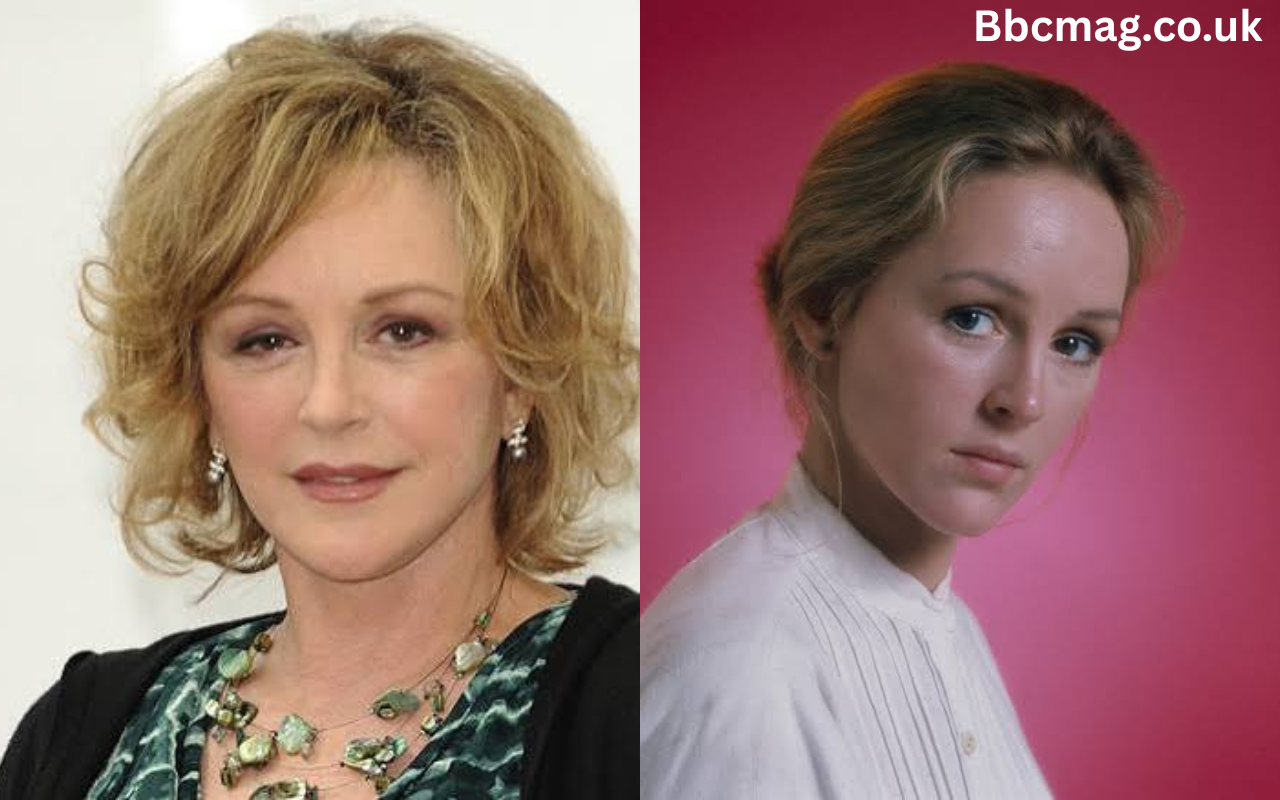
Bonnie Bedelia’s introduction to the performing arts began with dance rather than acting. As a young girl, she trained at the prestigious School of American Ballet in New York, where she developed exceptional discipline, grace, and stage confidence. Ballet demanded precision, patience, and dedication—qualities that would later define her approach to acting. She even appeared as Clara in a televised production of The Nutcracker choreographed by the legendary George Balanchine, marking one of her earliest appearances on screen. Although she eventually shifted her focus away from professional dance, the experience gave her a strong artistic foundation that remained evident throughout her acting career.
Table of Contents
ToggleRecognizing that her true passion lay in dramatic performance, Bedelia continued her training at New York’s respected HB Studio. The institution has produced generations of accomplished performers, emphasizing emotional honesty and character-driven storytelling instead of theatrical exaggeration. There, she refined the acting techniques that would become hallmarks of her performances. Rather than relying on glamour or dramatic gestures, Bonnie learned to communicate subtle emotions through authentic, believable performances that audiences could genuinely connect with.
Her formal training combined with real-life experiences created a unique acting style. Having already faced personal hardships during her teenage years, she brought emotional maturity to roles that required vulnerability and strength. This blend of technical education and life experience allowed her to portray women with remarkable realism, helping directors and producers recognize her as an actress capable of handling both dramatic and emotionally demanding roles early in her career.
Beginning an Acting Career
Bonnie Bedelia entered professional acting while still a teenager. One of her earliest significant opportunities came when she joined the CBS daytime soap opera Love of Life, portraying Sandy Porter from 1961 to 1967. Appearing regularly on television gave her invaluable experience in front of the camera, where she quickly learned the demanding pace of daily production. Soap operas required actors to memorize large amounts of dialogue and deliver convincing performances with limited rehearsal time, helping Bonnie become a confident and reliable performer.
At the same time, she was establishing herself on the New York theatre scene. Broadway became another important stage in her artistic development, and she appeared alongside several accomplished performers during the 1960s. Her breakout theatrical performance came in My Sweet Charlie, which earned her the prestigious Theatre World Award in 1967. Winning the award demonstrated that industry professionals viewed her as one of the most promising young actresses of her generation, opening doors to larger opportunities in film and television.
Unlike many performers who became associated with a single genre, Bonnie showed remarkable versatility from the beginning. She comfortably moved between theatre, television, and film while embracing dramatic, romantic, and character-driven roles. This flexibility would become one of the defining characteristics of her long career, allowing her to remain relevant even as Hollywood evolved over several decades.
Transition to Hollywood Films
Bonnie Bedelia made her feature film debut in The Gypsy Moths (1969), directed by John Frankenheimer. Although it was a supporting role, it introduced her to Hollywood filmmakers and demonstrated that she could successfully transition from stage and television to the big screen. That same year, she appeared in the acclaimed drama They Shoot Horses, Don’t They?, directed by Sydney Pollack. The film received widespread critical praise, and Bonnie’s performance helped strengthen her reputation as a talented dramatic actress capable of handling emotionally intense material.
Throughout the 1970s, she steadily expanded her filmography with appearances in productions such as Lovers and Other Strangers, The Strange Vengeance of Rosalie, Between Friends, and The Big Fix. Although these films varied in commercial success, each allowed her to develop a broader acting range. Rather than pursuing only leading roles, Bonnie consistently chose projects that offered meaningful characters and compelling stories. This thoughtful approach earned the respect of directors and fellow actors alike.
Television also remained an important part of her career during this period. She starred in the ABC drama The New Land, portraying Anna Larsen, and continued appearing in television movies and guest roles. Her willingness to work across different formats reflected her commitment to acting itself rather than limiting her career to one medium. This versatility became one of the reasons she enjoyed such remarkable longevity in the entertainment industry.
Career Breakthrough and Rise to Hollywood Fame
Although Bonnie Bedelia had already established herself as a talented actress during the 1970s, her true breakthrough arrived with the 1983 biographical drama Heart Like a Wheel. In the film, she portrayed legendary drag racer Shirley Muldowney, one of the most successful women in the history of motorsports. Bedelia’s powerful performance captured Muldowney’s determination, resilience, and competitive spirit with remarkable authenticity. Critics praised her emotionally layered portrayal, and many believed it was the finest performance of her career up to that point. The role earned her a nomination for the Golden Globe Award for Best Actress in a Motion Picture – Drama, significantly elevating her profile in Hollywood.
The success of Heart Like a Wheel opened the door to more prestigious film roles. Casting directors began recognizing Bonnie as an actress capable of leading major productions while bringing emotional realism to every character she portrayed. Unlike many stars of the era who became known primarily for glamour or blockbuster appeal, Bedelia built her reputation on believable performances that connected deeply with audiences. Her commitment to character-driven storytelling became one of her greatest strengths and distinguished her from many of her contemporaries.
This period marked a turning point not only in Bonnie’s career but also in how Hollywood viewed her. She had spent years steadily building experience through theatre, television, and independent films, and now that dedication was paying off. Rather than being labeled an overnight success, Bedelia became respected as an accomplished actress whose breakthrough was earned through years of consistent hard work, patience, and artistic growth.
Global Success with Die Hard and Hollywood Recognition
Bonnie Bedelia reached worldwide fame in 1988 when she starred as Holly Gennero McClane in the action classic Die Hard. Playing the intelligent, independent wife of John McClane, portrayed by Bruce Willis, she brought emotional depth and credibility to a film that would become one of the most influential action movies ever made. Instead of portraying Holly as a helpless victim, Bedelia presented a capable business executive who remained composed and courageous during a terrifying hostage crisis. Her performance added humanity to the film and balanced its explosive action with genuine emotion.
She reprised the role in Die Hard 2 (1990), once again demonstrating the chemistry that made the McClane family central to the franchise’s emotional core. While Bruce Willis naturally became the face of the series, Bonnie’s portrayal was widely appreciated for giving audiences a strong female character who possessed intelligence, resilience, and quiet strength. Decades later, Holly McClane remains one of the most memorable supporting characters in action cinema.
The popularity of Die Hard introduced Bonnie Bedelia to millions of international viewers who had never seen her earlier dramatic work. It also created opportunities to work alongside some of Hollywood’s biggest stars. Although she never sought blockbuster fame for its own sake, her performances proved that she could excel equally well in commercially successful films and critically acclaimed dramas.
Television Success, Awards, and Lasting Legacy
Following her film success, Bonnie continued to demonstrate impressive versatility by balancing movies with high-quality television productions. She earned Primetime Emmy Award nominations for her performances in Fallen Angels (1993) and Locked in Silence (1999), further confirming her reputation as one of television’s finest dramatic actresses. From 2001 to 2004, she starred as Captain Kate McCafferty in Lifetime’s acclaimed police drama The Division, leading an ensemble cast with authority and compassion.
A new generation discovered Bonnie through NBC’s family drama Parenthood, where she portrayed Camille Braverman from 2010 to 2015. Her heartfelt performance as the family’s loving matriarch resonated with viewers of all ages. Camille became one of the emotional anchors of the series, portraying the joys and challenges of family life with warmth, honesty, and wisdom. The role introduced Bonnie to younger audiences while reminding longtime fans why she had remained such a respected performer for decades.
Her accomplishments extend beyond nominations alone. Bonnie received the Theatre World Award early in her career, later earned the Ojai Film Festival Lifetime Achievement Award in recognition of her contributions to film and television, and won Best Actress at the FilmOut Festival for A Very Sordid Wedding. These honors reflect the respect she has earned from both critics and fellow artists throughout a career spanning more than sixty years.
Personal Life, Marriage, and Family
Despite spending much of her life in the entertainment industry, Bonnie Bedelia has always maintained a relatively private personal life. Unlike many Hollywood celebrities, she has rarely sought media attention outside of her professional work. Throughout the years, she has focused on balancing her acting career with her responsibilities as a mother and wife, earning a reputation as someone who values family, authenticity, and a quiet lifestyle over the spotlight. Friends and colleagues have often described her as thoughtful, grounded, and deeply committed to her craft rather than celebrity culture.
Bonnie married screenwriter Ken Luber in 1969, and the couple welcomed two sons, Uri and Jonah. Although their marriage ended in divorce in 1980, she remained devoted to raising her children while continuing her successful acting career. In 1995, she married actor Michael MacRae, and the couple has largely kept their relationship out of the public eye. Their long-lasting marriage reflects Bedelia’s preference for privacy and stability, a contrast to the often-public relationships seen in Hollywood.
Another interesting aspect of Bonnie’s family life is her connection to the famous Culkin acting family. She is the older sister of Kit Culkin and the aunt of actors Macaulay Culkin, Kieran Culkin, and Rory Culkin. Although her nephews became international stars in later decades, Bonnie had already established herself as a respected actress years earlier. Her own accomplishments stand independently, and she remains one of the earliest successful performers in the Culkin family.
Net Worth and Sources of Income
After more than sixty years in the entertainment industry, Bonnie Bedelia has accumulated an estimated net worth of around $4 million. While exact financial figures are not publicly disclosed, industry estimates consistently place her wealth in this range. Her income has been built steadily over decades rather than through a single blockbuster success, reflecting the longevity and consistency of her career.
Her primary source of income has always been acting. Bonnie has appeared in numerous feature films, television dramas, miniseries, Broadway productions, and made-for-television movies. Long-running television roles in series such as The Division and Parenthood provided stable earnings, while successful films including Die Hard, Die Hard 2, Presumed Innocent, and Needful Things further strengthened her financial position. Residual payments from syndicated television shows and popular films likely continue to contribute to her income.
Unlike many modern celebrities, Bonnie has never been known for pursuing endorsement deals, major business ventures, or influencer partnerships. Instead, her financial success has come almost entirely through her dedication to acting. This career path reflects her long-standing commitment to the profession itself, demonstrating that sustained excellence and professionalism can lead to lasting success without relying on constant publicity.
Social Media Presence and Public Image
In an era when many actors actively engage with millions of followers on social media, Bonnie Bedelia has chosen a different path. She does not maintain any verified public accounts on Instagram, X (formerly Twitter), Facebook, or LinkedIn. This absence from social media aligns with her long-held preference for privacy and her belief that an actor’s work should speak louder than their online presence.
Although fans frequently share clips, interviews, and photographs celebrating her career across social platforms, Bonnie herself has largely remained offline. As a result, appreciation for her work continues to come through classic films, television reruns, streaming services, and fan communities rather than direct interaction on social media. This has given her a timeless appeal, with audiences discovering her performances through multiple generations.
Her public image has consistently been one of professionalism, grace, and authenticity. Directors and fellow actors have praised her reliability and emotional honesty, qualities that have helped sustain her career for decades. Rather than chasing trends or publicity, Bonnie has allowed her body of work to define her legacy, earning admiration from both critics and audiences alike.
Recent Career Updates and Lasting Legacy
Even after decades in Hollywood, Bonnie Bedelia has remained active with carefully selected projects. In recent years, she has appeared in films including The Noel Diary (2022), The Hill (2023), and has also been associated with the upcoming project Easter, which is listed as in production. These appearances demonstrate that, although she works less frequently than in earlier decades, she continues to embrace meaningful roles that align with her experience and artistic values.
Looking back across her remarkable career, Bonnie’s filmography reveals extraordinary versatility. From daytime television and Broadway to critically acclaimed dramas, blockbuster action films, family television series, and independent cinema, she has successfully adapted to changing trends in the entertainment industry without compromising her artistic integrity. Few performers have maintained such consistent quality over more than six decades.
Bonnie Bedelia’s journey is a testament to perseverance, talent, and quiet determination. She never relied on controversy or constant media attention to remain relevant. Instead, she earned respect through memorable performances, professionalism, and a genuine love for acting. As Bonnie Bedelia continues to inspire audiences and fellow performers alike, her story reminds us that lasting success is built through dedication, resilience, and an unwavering commitment to excellence. Her legacy is not only defined by iconic roles such as Holly Gennero McClane and Camille Braverman, but also by the authenticity and humanity she brought to every character throughout an extraordinary career.
