
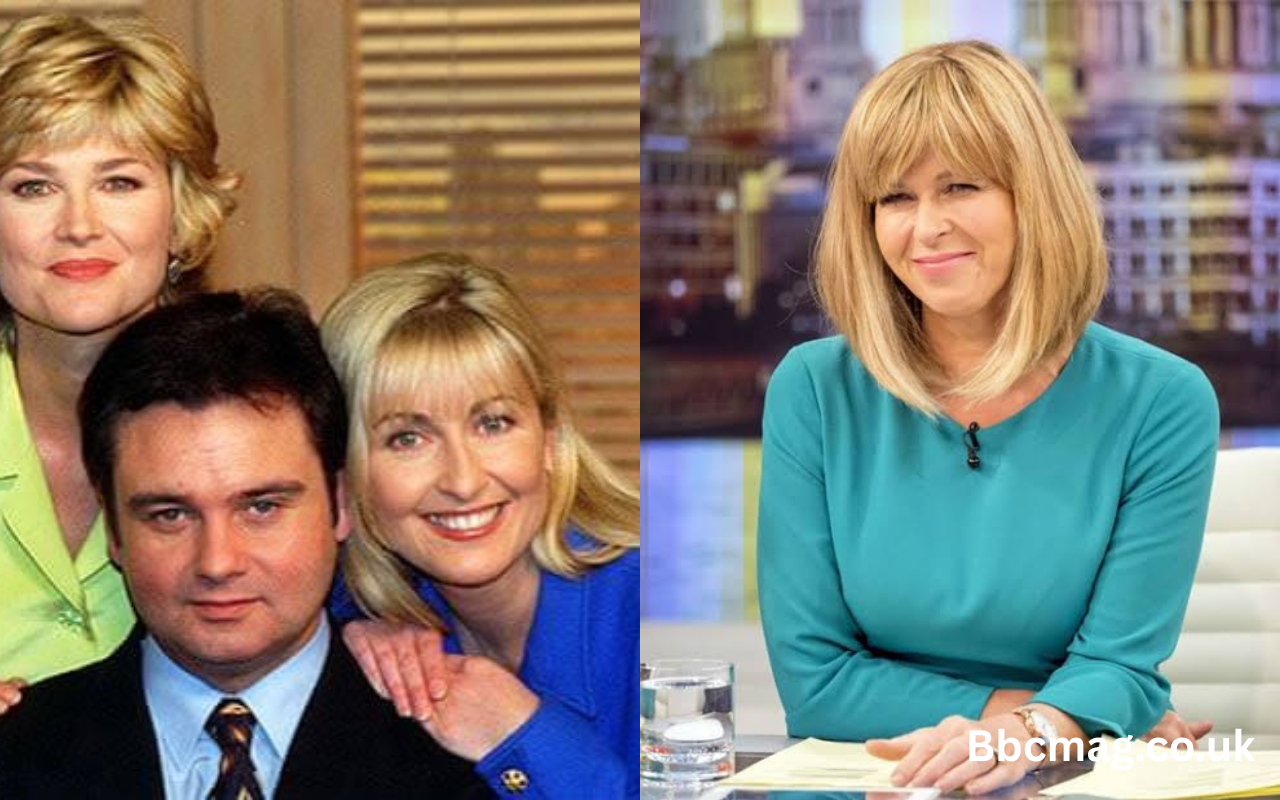
Every weekday morning for nearly two decades, millions of viewers across the United Kingdom started their day with GMTV. From breaking news and celebrity interviews to weather updates and inspiring human-interest stories, the programme became an essential part of British television. Behind its success stood a remarkable group of presenters whose warmth, professionalism, and chemistry helped transform ordinary mornings into engaging viewing experiences. Their personalities became familiar to families across the country, making them some of the most recognizable faces on British television.
Table of Contents
ToggleUnlike a traditional celebrity biography, the story of GMTV presenters is the story of a talented team. Over the years, the programme introduced numerous broadcasters, journalists, entertainers, and television personalities who each brought something unique to the breakfast sofa. Some went on to become household names on other ITV and BBC programmes, while others built successful careers in journalism, radio, sports broadcasting, and entertainment. Their collective contribution helped GMTV remain one of Britain’s most influential breakfast television programmes from 1993 until its final broadcast in 2010.
| Quick Facts | Details |
|---|---|
| Programme | GMTV (Good Morning Television) |
| Broadcast Years | 1993–2010 |
| Country | United Kingdom |
| Network | ITV |
| Profession | Breakfast Television Presenters, Journalists & Broadcasters |
| Headquarters | London, England |
| Famous Presenters | Eamonn Holmes, Lorraine Kelly, Fiona Phillips, Kate Garraway, Ben Shephard, Andrew Castle, Penny Smith, John Stapleton |
| Parent Company | ITV plc (final owner) |
| Successor Programme | Daybreak (later replaced by Good Morning Britain) |
| Estimated Presenter Net Worth | Varies individually |
| Individual presenter accounts | |
| X (Twitter) | Individual presenter accounts |
| Available for some presenters |
The Birth of GMTV and Its First Presenters
GMTV officially launched on 1 January 1993, replacing TV-am as ITV’s national breakfast television service. The channel promised viewers a fresh, modern morning programme that balanced news, current affairs, entertainment, health, weather, sport, and lifestyle features. The original weekday presenting team included Fiona Armstrong and Michael Wilson, while Anne Davies and Eamonn Holmes also became important faces during the early broadcasts.
Although the launch attracted enormous attention, the programme initially faced criticism over its presentation style and ratings. The production team quickly realised that breakfast television depended not only on strong journalism but also on presenters who could create a friendly atmosphere for viewers preparing for work or school. As a result, GMTV began reshaping its lineup within months of launching.
One of the most significant early additions was Lorraine Kelly, whose natural personality and conversational interviewing style immediately connected with audiences. Her arrival marked the beginning of a long relationship with GMTV and helped establish the welcoming tone that would define the programme for years to come.
Key Early Presenters
- Fiona Armstrong
- Michael Wilson
- Eamonn Holmes
- Anne Davies
- Lorraine Kelly
The Most Popular GMTV Presenters
Few breakfast television presenters became as closely associated with GMTV as Eamonn Holmes. Joining shortly after launch, Holmes quickly earned praise for his relaxed interviewing style, quick wit, and ability to handle both serious news and light-hearted entertainment. His partnership with several co-hosts helped build one of Britain’s strongest breakfast television audiences throughout the 1990s.
Another defining figure was Fiona Phillips, who began as the entertainment correspondent before becoming one of the programme’s main anchors. Her approachable style and genuine interest in people’s stories made her particularly popular with viewers. Over more than a decade on GMTV, Phillips covered everything from celebrity interviews to major national events, becoming one of ITV’s best-known presenters.
Kate Garraway and Ben Shephard represented a new generation of presenters during the 2000s. Their energetic chemistry appealed to younger audiences while maintaining the trusted reputation GMTV had built over the previous decade. Both later continued successful broadcasting careers, proving how GMTV served as an important platform for television talent.
Most Recognisable GMTV Faces
- Eamonn Holmes
- Lorraine Kelly
- Fiona Phillips
- Kate Garraway
- Ben Shephard
- Andrew Castle
- Penny Smith
- John Stapleton
Lorraine Kelly’s Lasting Influence on GMTV
Among all GMTV presenters, Lorraine Kelly became one of the programme’s defining personalities. Starting with Top of the Morning, she later hosted several successful spin-off programmes including Nine O’Clock Live, Lorraine Live, LK Today, and eventually GMTV with Lorraine. Each programme reflected her relaxed interviewing style and ability to connect with everyday viewers.
Kelly’s programmes focused heavily on lifestyle, parenting, fashion, health, food, celebrity interviews, and consumer advice. Rather than concentrating solely on breaking news, she created a welcoming environment that appealed particularly to daytime audiences looking for practical information and positive stories.
Even after GMTV ended in 2010, Lorraine remained one of ITV’s biggest daytime stars. Her continued success demonstrates how the GMTV era helped establish presenters who would continue influencing British broadcasting long after the programme itself disappeared.
GMTV Presenters and Their Contribution to British Television
One of the greatest strengths of GMTV was its ability to assemble a team of presenters from different broadcasting backgrounds. Some were experienced journalists, while others came from entertainment, sport, or lifestyle television. This variety ensured that viewers received a balanced programme capable of covering everything from political interviews and breaking news to celebrity gossip and family advice. Throughout its 17-year run, dozens of presenters contributed to GMTV’s success, many of whom later became major figures across British broadcasting.
Among the longest-serving presenters were Penny Smith, John Stapleton, Lorraine Kelly, Kate Garraway, Ben Shephard, Andrew Castle, Fiona Phillips, and Eamonn Holmes. Each presenter developed a unique on-screen personality while maintaining the professionalism expected from a national breakfast television programme. Their ability to handle live broadcasting, unexpected breaking news, and emotional interviews earned them widespread respect within the television industry.
Many GMTV presenters later became familiar faces on programmes including Good Morning Britain, This Morning, Sky News, BBC, Channel 5, and numerous radio stations. Their careers demonstrate how GMTV served as one of Britain’s most important training grounds for television presenters, helping shape modern breakfast broadcasting for future generations.
Notable GMTV Presenters
- Eamonn Holmes
- Lorraine Kelly
- Fiona Phillips
- Kate Garraway
- Ben Shephard
- Andrew Castle
- Penny Smith
- John Stapleton
- Fern Britton
- Jenni Falconer
- Emma Crosby
- Anthea Turner
Memorable Interviews and Major News Coverage
Breakfast television often becomes the first place where audiences hear about significant national and international events, and GMTV was no exception. Throughout its history, the programme covered general elections, royal celebrations, major sporting events, natural disasters, international conflicts, and breaking news stories as they unfolded. Presenters frequently had to shift from light-hearted entertainment segments to serious journalism within minutes, demonstrating remarkable versatility.
GMTV also became known for securing exclusive interviews with politicians, actors, musicians, athletes, and members of the Royal Family. Celebrity guests appreciated the programme’s relaxed atmosphere, which often resulted in more personal and engaging conversations than traditional news interviews. This balance between informative journalism and accessible entertainment helped the programme appeal to viewers of all ages.
The programme regularly featured consumer advice, health campaigns, parenting discussions, financial guidance, and inspirational human-interest stories. These features strengthened GMTV’s reputation as more than just a news programme—it became a trusted companion for millions of households beginning their day. By addressing everyday concerns alongside major headlines, the presenters built lasting relationships with viewers across the United Kingdom.
Awards, Recognition, and Industry Influence
Although GMTV faced strong competition from BBC Breakfast and other broadcasters, it consistently remained one of the UK’s most-watched breakfast television programmes. Its presenters were frequently nominated for television awards and became recognised for their professionalism, warmth, and ability to connect with audiences. Several presenters later received individual honours and industry awards for their wider broadcasting careers.
For example, Eamonn Holmes received an OBE for services to broadcasting and won multiple television awards during his career, while other former GMTV presenters became respected news anchors, entertainment hosts, and radio broadcasters. Their achievements reflected the high broadcasting standards that GMTV encouraged throughout its history.
Industry experts often credit GMTV with modernising ITV’s breakfast programming by combining reliable journalism with lifestyle content, celebrity interviews, cooking demonstrations, weather reports, and audience participation. This format influenced later programmes such as Daybreak and eventually Good Morning Britain, ensuring that GMTV’s legacy continued long after its final broadcast.
Major Achievements
- Successfully broadcast for 17 years.
- Helped launch or strengthen the careers of numerous leading television presenters.
- Introduced a balanced mix of news, entertainment, health, and lifestyle programming.
- Influenced the format of future ITV breakfast television shows.
- Built a loyal audience of millions across the United Kingdom.
Life Beyond GMTV
When GMTV ended in September 2010, many viewers wondered what would happen to their favourite presenters. Rather than disappearing from television, most continued thriving in broadcasting. Kate Garraway became one of the leading presenters of Good Morning Britain, Ben Shephard enjoyed continued success with ITV entertainment programmes and This Morning, while Lorraine Kelly continued presenting her own long-running daytime show.
Andrew Castle expanded his career into sports broadcasting and radio, Penny Smith continued working in television and radio journalism, while Fiona Phillips remained active through writing, documentaries, and public campaigns. Their continued visibility highlights how GMTV prepared presenters for long-term careers in British media rather than simply offering short-term television roles.
Even presenters who had shorter tenures at GMTV found opportunities across major broadcasters. The programme’s reputation for developing versatile presenters meant that experience on the GMTV sofa became a valuable asset throughout the television industry, opening doors to new projects in news, entertainment, documentaries, and live events.
The Personal Lives Behind the Television Cameras
Although GMTV presenters were familiar faces in millions of homes, many worked hard to keep a balance between their demanding broadcasting careers and their personal lives. Early mornings, live television, editorial meetings, and constant preparation meant that presenters often began work long before sunrise. Despite these challenges, many became admired not only for their professionalism but also for their openness about family life, health, and personal experiences. This honesty helped audiences feel a genuine connection with the people they watched every morning.
Several presenters have spoken publicly about important moments in their lives beyond television. Kate Garraway received widespread public support during her family’s difficult experiences in recent years, while Lorraine Kelly has often discussed health, wellbeing, and maintaining a positive work-life balance. Ben Shephard has regularly shared insights into fitness, family, and charitable work, showing viewers that life outside the studio is just as important as success on screen. These personal stories strengthened the trust viewers had in the GMTV team long after the programme ended.
Many former GMTV presenters are also involved in charity campaigns, awareness programmes, fundraising events, and public speaking. Their influence extends well beyond television, using their public profiles to support causes related to healthcare, children’s charities, mental health, education, and community development. This commitment to public service has helped preserve the goodwill they built during their years on breakfast television.
Common Interests Among GMTV Presenters
- Family life and parenting
- Charity fundraising
- Health and wellbeing campaigns
- Public speaking and live events
- Writing books and newspaper columns
- Radio and podcast broadcasting
Net Worth and Sources of Income
Because GMTV featured many presenters over its seventeen-year history, there is no single net worth figure that represents the entire presenting team. Instead, each broadcaster has built their own financial success through television contracts, radio programmes, publishing, endorsements, live appearances, production work, and business ventures. Some presenters have remained among Britain’s highest-profile television personalities for decades, significantly increasing their earnings after leaving GMTV.
For example, presenters such as Lorraine Kelly, Kate Garraway, Ben Shephard, and Eamonn Holmes have continued to front major national television programmes while expanding into books, documentaries, speaking engagements, and commercial partnerships. Their long careers demonstrate how breakfast television can provide a strong foundation for lasting success across the wider media industry.
Rather than focusing solely on financial achievements, many former GMTV presenters have emphasised career longevity, credibility, and maintaining audience trust. Their continued popularity illustrates that professionalism, consistency, and authenticity remain valuable qualities in an industry that is constantly evolving. These factors have contributed to their long-term careers as much as any individual television contract or endorsement deal.
Main Income Sources
- Television presenting
- Radio broadcasting
- Book publishing
- Public speaking
- Brand partnerships
- Journalism and newspaper columns
- Documentary production
- Event hosting
Social Media Presence and Audience Engagement
Although social media was not part of everyday broadcasting during GMTV’s early years, many former presenters have successfully adapted to today’s digital world. Platforms such as Instagram, X (formerly Twitter), Facebook, and LinkedIn allow them to stay connected with audiences who first discovered them on breakfast television. These channels are now used to share behind-the-scenes moments, career updates, charity work, family milestones, and opinions on current events.
Kate Garraway, Lorraine Kelly, and Ben Shephard regularly interact with followers by posting photographs, television clips, interviews, and updates about upcoming projects. Their approachable online style reflects the same friendly personalities that made them successful on GMTV. This digital engagement has introduced them to younger audiences while strengthening relationships with long-time viewers who remember the programme’s original broadcasts.
Social media has also become an important tool for promoting charitable campaigns, raising awareness about important issues, and encouraging positive conversations with viewers. Rather than replacing traditional broadcasting, these platforms have become an extension of the presenters’ public work, allowing them to remain influential in an increasingly digital media landscape.
Recent Legacy and the Lasting Impact of GMTV
Although GMTV aired its final programme on 3 September 2010, its influence can still be seen across British breakfast television today. The programme was succeeded by Daybreak, which later evolved into Good Morning Britain, continuing many of the broadcasting traditions that GMTV helped establish. Its combination of breaking news, celebrity interviews, lifestyle content, consumer advice, weather, and audience interaction remains the standard format for breakfast television in the United Kingdom.
Many former GMTV presenters continue to appear regularly on national television, demonstrating the programme’s remarkable ability to develop broadcasting talent. Viewers still recognise many of these presenters from their GMTV years, a testament to the lasting relationships they built with audiences over nearly two decades. Their professionalism, warmth, and ability to communicate with people from all walks of life remain defining characteristics of British television presenting.
Television historians frequently describe GMTV as one of the most significant chapters in modern British broadcasting. Beyond ratings and awards, its greatest achievement was creating a trusted morning programme that became part of everyday life for millions of households. The presenters were more than broadcasters—they became familiar companions who informed, entertained, and reassured viewers at the beginning of each day.
Conclusion
The story of GMTV presenters is ultimately the story of teamwork, professionalism, and lasting influence. From the programme’s launch in 1993 to its final broadcast in 2010, an exceptional group of journalists, broadcasters, and television personalities helped redefine what breakfast television could be. Whether delivering breaking news, interviewing world leaders and celebrities, or simply sharing a smile over the morning headlines, they built a trusted relationship with viewers that few programmes have matched.
Many of these presenters have gone on to enjoy remarkable careers across television, radio, publishing, and public life, proving that GMTV was far more than a successful morning programme—it was a launching pad for some of Britain’s most respected broadcasters. Their dedication, adaptability, and ability to connect with audiences continue to inspire aspiring journalists and television presenters today.
As the legacy of GMTV continues to influence modern breakfast television, its presenters remain an enduring symbol of excellence in British broadcasting. Their journey reminds us that genuine communication, resilience, and passion for informing and entertaining the public can create a legacy that lasts long after the cameras stop rolling.
