
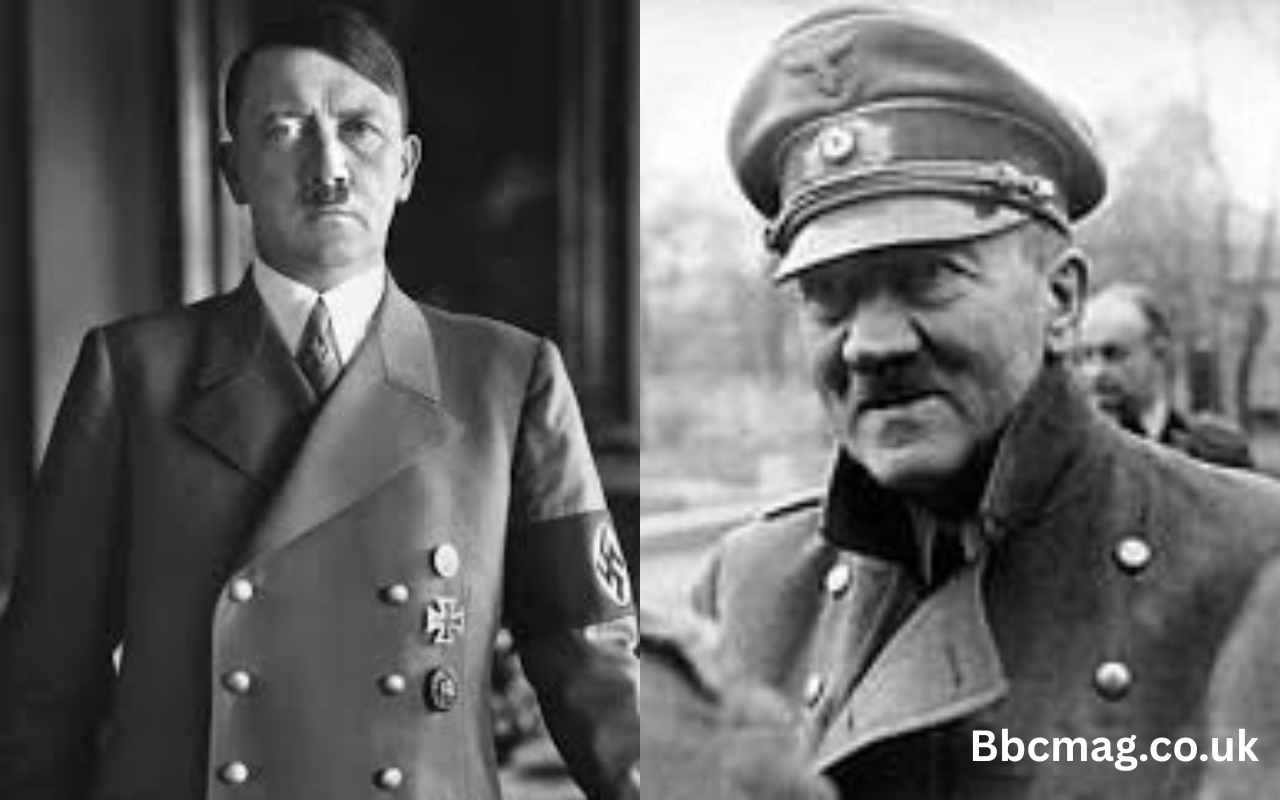
Adolf Hitler was born on April 20, 1889, in Braunau am Inn, a small Austrian town located near the German border. At the time of his birth, nobody could have imagined that this child would eventually become one of the most influential and controversial political figures in modern history. Today, historians, researchers, and educators continue to examine Hitler’s life because his decisions dramatically shaped the course of the twentieth century.
Table of Contents
ToggleThe date of Hitler’s birth is frequently mentioned in historical studies because it marks the beginning of a life that would later become connected to World War II, Nazi Germany, and the Holocaust. Unlike birthdays associated with artists, scientists, or innovators, Hitler’s birthday is generally discussed within educational and historical contexts. The purpose is to understand history rather than celebrate the individual.
Even decades after his death, April 20 remains a date that prompts reflection on the dangers of extremism, dictatorship, and racial hatred. Historians often use Hitler’s life story as an example of how political instability, propaganda, and public dissatisfaction can create conditions that allow authoritarian leaders to rise to power.
Early Childhood and Family Background
Adolf Hitler was the son of Alois Hitler, an Austrian customs official, and Klara Pölzl, a devoted mother who had a significant influence on his early life. His father was known for being strict and authoritative, while his mother was remembered as caring and protective. This contrast shaped many aspects of Hitler’s personality during his formative years.
The Hitler family moved several times throughout Austria during Adolf’s childhood. Because of his father’s government position, the family lived in different towns before eventually settling in the Linz area. These frequent relocations exposed Hitler to different environments and social settings during his youth.
Family relationships played an important role in Hitler’s upbringing. Historical accounts suggest that he admired his mother deeply while often clashing with his father. The death of his parents during his teenage years left a lasting impact on him and contributed to the uncertainty he experienced as a young adult trying to find direction in life.
Key Family Facts
- Father: Alois Hitler
- Mother: Klara Pölzl
- Birthplace: Braunau am Inn, Austria
- Birth Date: April 20, 1889
- Younger Sister: Paula Hitler
Education and Artistic Ambitions
As a student, Hitler showed mixed academic performance. While he demonstrated some ability in certain subjects, he struggled with discipline and often disagreed with authority figures. His academic achievements were not particularly remarkable, and he eventually lost interest in formal education.
One of Hitler’s strongest interests during adolescence was art. He dreamed of becoming a painter and hoped to attend a prestigious art academy. He spent countless hours sketching buildings, landscapes, and architectural designs. His passion for art became one of the defining aspects of his youth.
However, his artistic ambitions suffered a major setback when he failed to gain admission to the Vienna Academy of Fine Arts. This rejection proved to be a turning point in his life. Afterward, he struggled financially and spent years living in Vienna, where he was exposed to political ideas and social tensions that would later influence his worldview.
Life in Vienna and Personal Development
Vienna during the early twentieth century was a diverse and rapidly changing city. Different cultures, political movements, and social groups interacted daily. Living in this environment exposed Hitler to a wide range of ideas and perspectives that shaped his future political beliefs.
During this period, Hitler experienced poverty and uncertainty. He earned money through small jobs and by selling paintings. Life was difficult, and he often struggled to establish a stable career path. These challenges contributed to his growing frustration with society and politics.
Many historians consider Vienna to be one of the most influential chapters of Hitler’s life. It was during these years that he began developing many of the ideas and attitudes that later became central to his political activities. Although he remained largely unknown at the time, the foundations of his future ideology were gradually forming.
World War I and Military Service
The outbreak of World War I in 1914 transformed Europe and dramatically changed Hitler’s life. He joined the German Army and served as a messenger on the Western Front. The war exposed him to intense combat conditions and strengthened his sense of nationalism.
Throughout the conflict, Hitler demonstrated dedication to military service and received the Iron Cross for bravery. Like many soldiers of his generation, he experienced the horrors of trench warfare firsthand. The war became one of the defining experiences of his life and deeply influenced his political outlook.
Germany’s defeat in 1918 devastated Hitler. He believed that the country had been humiliated and weakened. These feelings of resentment became a driving force behind his future political ambitions and his determination to reshape Germany’s future.
Entry into Politics and Rise to Power
Following World War I, Germany experienced severe political and economic instability. Inflation, unemployment, and public dissatisfaction created opportunities for new political movements to gain support. Hitler joined a small political group that later became the Nazi Party.
Hitler quickly gained attention because of his public speaking abilities. His speeches attracted large audiences, and his message resonated with many Germans who were frustrated by economic hardships and political uncertainty. Over time, he emerged as the dominant figure within the Nazi Party.
By the early 1930s, the Nazi Party had become a major political force. Hitler’s influence continued to grow, and in 1933 he was appointed Chancellor of Germany. This appointment marked the beginning of a new era in German history and set the stage for profound global consequences.
Leadership of Nazi Germany
After gaining power, Hitler transformed Germany into a totalitarian state. Political opposition was suppressed, government institutions were reorganized, and propaganda became a central tool of the regime. The Nazi Party expanded its control over many aspects of German society.
Hitler promoted policies centered on nationalism, militarization, and territorial expansion. These goals played a major role in shaping Germany’s domestic and foreign policies throughout the 1930s. His leadership style emphasized absolute authority and personal loyalty.
The consequences of these policies extended far beyond Germany’s borders. They contributed directly to the outbreak of World War II and caused immense suffering across Europe and other parts of the world. Historians continue to study this period to better understand the factors that enabled authoritarian rule.
Personal Life and Relationships
Despite being one of the most visible political figures of his era, Hitler maintained a relatively private personal life. He carefully managed his public image and often portrayed himself as entirely devoted to Germany and the Nazi movement.
His most significant personal relationship was with Eva Braun. Although they were together for many years, their relationship remained largely hidden from the public. Braun generally stayed away from political affairs and public attention.
Hitler’s lifestyle reflected his desire to maintain a controlled public image. Many aspects of his private routines, hobbies, and relationships remained unknown to the general public until after World War II ended.
Historical Legacy and Global Impact
Few historical figures have left a legacy as significant and controversial as Adolf Hitler. His actions influenced international politics, military strategy, human rights discussions, and historical research for generations. Nearly every major history curriculum includes extensive study of his rise and rule.
The Holocaust and World War II remain central components of Hitler’s historical legacy. These events resulted in unprecedented human suffering and reshaped international relations, leading to the creation of new institutions and agreements designed to prevent future global conflicts.
Today, scholars continue to analyze Hitler’s life as a warning about the dangers of authoritarianism, propaganda, and intolerance. His story serves as an important reminder of the need to protect democratic institutions, human rights, and social responsibility.
Conclusion
The story behind Hitler’s birthday begins on April 20, 1889, in a small Austrian town, but its historical significance reaches far beyond that moment. From a difficult childhood and failed artistic ambitions to political leadership and global conflict, Hitler’s life remains one of the most studied subjects in modern history.
Understanding the events surrounding his birth, upbringing, and rise to power helps historians explain how major historical transformations can emerge from individual lives combined with social and political circumstances. His story demonstrates how leadership can shape nations for better or worse.
As future generations continue examining the lessons of the twentieth century, the history associated with Adolf Hitler’s birthday remains an important educational topic. It encourages reflection on responsibility, critical thinking, and the importance of protecting freedom, tolerance, and human dignity in every society.
