
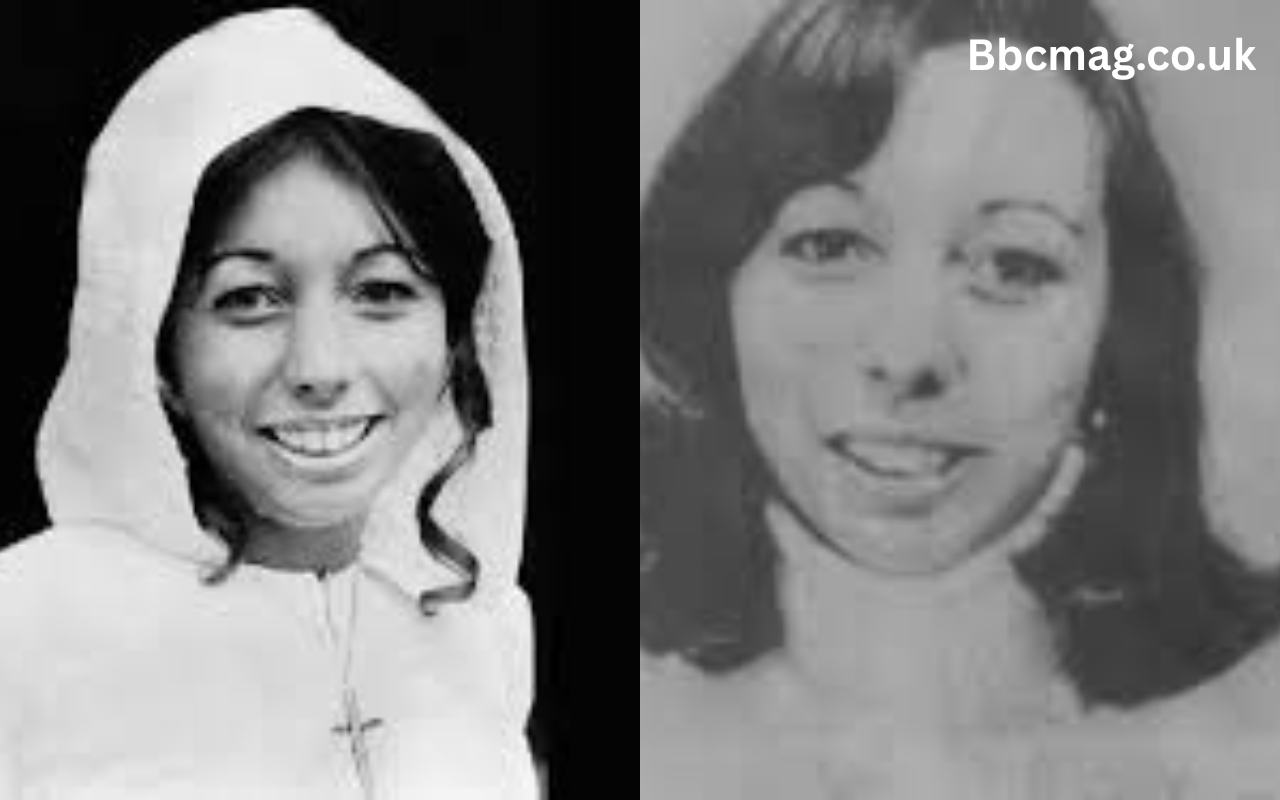
Facts Table
| Detail | Information |
|---|---|
| Full Name | Lesley Ann Whittle |
| Known For | Victim of one of Britain’s most famous kidnapping cases |
| Birth Date | 3 May 1957 |
| Age at Death | 17 Years |
| Birthplace | Bridgnorth, Shropshire, England |
| Nationality | British |
| Profession | Student |
| Education | Wulfrun College, Wolverhampton |
| Father | George Whittle |
| Mother | Dorothy Whittle |
| Sibling | Ronald Whittle |
| Relationship Status | Reportedly in a relationship with Richard Forder |
| Net Worth | Family heiress; personal net worth unknown |
| Social Media | Not applicable |
| Legacy | Remembered as a victim whose case transformed public awareness of kidnapping investigations in Britain |
Early Life and Family Background
Lesley Ann Whittle was born on 3 May 1957 in Bridgnorth, Shropshire, England. She grew up in a well-known family whose success came through hard work and determination. Her father, George Whittle, built a thriving transport and coach business that eventually became one of the most successful private coach companies in the Midlands. The family enjoyed financial security, but they were also widely respected in their local community for their business achievements and strong family values.
Table of Contents
ToggleDespite being born into wealth, Lesley’s upbringing was surprisingly modest. Family members and people who knew her often described her as intelligent, humble, and down-to-earth. She was not known for showing off her family’s wealth and instead focused on education, friendships, and everyday teenage experiences. Her inheritance was placed in trust, meaning she lived much like any other young student of her generation rather than enjoying unlimited access to money.
The Whittle family experienced significant changes when George Whittle died in 1970. His passing left a substantial estate that became the subject of public legal disputes. Newspapers reported extensively on the family’s finances, and these reports unintentionally brought attention to the wealth associated with the Whittle name. Sadly, years later, this publicity would play a major role in making the family a target for a dangerous criminal.
Education and Academic Aspirations
Education was a major priority in Lesley’s life. She attended Wulfrun College in Wolverhampton, where she studied advanced subjects including pure and applied mathematics. Her teachers and classmates viewed her as a dedicated student who approached her studies with seriousness and determination. She possessed a natural curiosity and an analytical mind, qualities that suggested she had a bright future ahead.
Unlike many assumptions people might make about a wealthy heiress, Lesley lived a fairly ordinary student life. She did not drive expensive cars or live extravagantly. Instead, she traveled to college using public transportation and focused on preparing for her future. Her routine reflected discipline, responsibility, and a desire to achieve success through her own efforts rather than relying on family wealth.
At the time of her death, Lesley had ambitious plans for higher education. Reports suggest she hoped to continue her studies at Sheffield University. Her academic goals demonstrated that she wanted to build a meaningful future for herself, combining education with personal growth and independence. Friends believed she had the intelligence and determination needed to accomplish whatever path she chose.
Personality and Character
People who knew Lesley often remembered her for her kindness and gentle nature. She was described as thoughtful, compassionate, and mature beyond her years. These qualities helped her develop strong friendships and positive relationships with those around her. Even decades later, many accounts emphasize not the tragedy of her death but the warmth of her personality.
As a young girl, she enjoyed activities such as tap dancing and other hobbies common among teenagers in the 1960s and 1970s. Her interests reflected a normal and balanced childhood. She enjoyed spending time with family and friends and looked forward to the opportunities that adulthood would bring. Her life was filled with the same hopes and dreams shared by countless young people.
One of the most striking aspects of Lesley’s story is the contrast between her ordinary life and the extraordinary circumstances that later surrounded her name. Those who remember her often emphasize that before becoming a national news story, she was simply a bright teenager with plans, ambitions, and a promising future.
Family Relationships and Personal Life
Lesley shared a close bond with her mother, Dorothy Whittle, and her brother, Ronald. The family remained united despite the challenges they faced following the death of George Whittle. Their large home in Highley, Shropshire, became a place where family support and loyalty were highly valued. These relationships helped shape Lesley’s character and outlook on life.
She was also reportedly in a relationship with Richard Forder, a student at Sheffield University. According to historical accounts, Lesley hoped to attend the same university after completing her studies. Their relationship represented an important part of her teenage years and reflected the normal experiences of a young woman planning her future.
Although media attention later focused heavily on the family’s wealth, those closest to Lesley consistently described her as someone who valued people more than possessions. She appreciated meaningful relationships and preferred a relatively simple lifestyle despite the financial resources available to her family.
The Kidnapping That Shocked the Nation
In January 1975, Britain became captivated by a case that would dominate headlines for months. During the early hours of 14 January, Donald Neilson entered the Whittle family home after cutting the telephone lines. Armed and dangerous, he abducted seventeen-year-old Lesley from her bedroom while she slept. The crime immediately sparked one of the largest investigations in British criminal history.
Neilson targeted the family because he believed their wealth would make them capable of paying a substantial ransom. He demanded £50,000 in exchange for Lesley’s safe return. Over the following days, a series of attempted ransom exchanges failed because of communication difficulties and other complications. As public concern grew, newspapers and television stations covered every development in the case.
The kidnapping created a national atmosphere of fear and anxiety. Britain had seen few cases of this scale, and many families followed the story closely while hoping for a positive outcome. Unfortunately, events would soon take a devastating turn that would leave a permanent mark on the country’s criminal history.
National Investigation and Media Attention
The search for Lesley became one of the most expensive and extensive criminal investigations Britain had ever undertaken. More than four hundred officers from multiple police forces worked tirelessly to find her and identify the person responsible. Resources were deployed on an unprecedented scale as investigators followed leads and searched for evidence.
Media coverage was relentless. Newspapers published daily updates, while television and radio broadcasts provided constant information to an anxious public. The case quickly became one of the most discussed news stories in the United Kingdom. Public sympathy for the Whittle family was enormous, and millions hoped for Lesley’s safe return.
The investigation also exposed challenges in law enforcement procedures during the 1970s. Years later, criminologists, journalists, and historians would continue analyzing the case, examining the decisions made during the ransom negotiations and the lessons that could be learned for future investigations.
Tragic Discovery and Public Grief
After weeks of uncertainty, the search ended in tragedy. On 7 March 1975, investigators discovered Lesley’s body in an underground drainage shaft at Bathpool Park in Staffordshire. The news devastated her family and shocked the entire nation. Britain had hoped for a rescue, but instead mourned the loss of a young life full of potential.
The discovery generated widespread public outrage and sadness. Communities across the country expressed sympathy for the Whittle family, and newspapers published emotional tributes to the teenager whose story had touched millions. Her funeral drew significant attention as friends, relatives, and local residents gathered to pay their respects.
For many people, the most heartbreaking aspect of the case was the realization that Lesley had been a normal young woman with dreams and ambitions. Her death transformed her from a student with a promising future into a symbol of innocence lost to violent crime.
Capture of Donald Neilson and Justice
The investigation continued even after Lesley’s death. Police remained determined to identify and capture the individual responsible. Their efforts eventually led to Donald Neilson, a career criminal who had already committed several serious offenses before targeting the Whittle family.
Neilson was arrested later in 1975 and subsequently stood trial for kidnapping and murder. During the proceedings, prosecutors presented extensive evidence linking him to the crime. The trial attracted enormous public attention, reflecting the nation’s ongoing interest in achieving justice for Lesley and her family.
In 1976, Neilson was convicted and sentenced to life imprisonment. The verdict brought a measure of justice, although it could never reverse the tragedy experienced by the Whittle family. His conviction remains one of the most significant outcomes of a landmark criminal investigation.
Net Worth and Financial Legacy
Because Lesley died at the age of seventeen, she never pursued a professional career or accumulated personal wealth through employment. However, she was known as an heiress because she stood to benefit from the successful business empire created by her father. The Whittle family’s assets were substantial by the standards of the time.
Historical records indicate that George Whittle’s estate included property, cash holdings, and business interests. Nevertheless, Lesley’s inheritance remained under trust arrangements, meaning she did not enjoy unrestricted access to large sums of money. Her daily lifestyle reflected moderation rather than luxury.
Today, discussions about the family’s wealth are often linked to the circumstances surrounding the kidnapping. Many experts believe the publicity surrounding the estate made the family a target. This unfortunate connection between wealth and crime remains one of the most discussed aspects of the case.
Legacy and Continuing Public Interest
More than five decades after her death, Lesley Whittle remains one of the most remembered victims in British criminal history. Numerous books, documentaries, television programs, and true-crime investigations have revisited the case in an effort to understand its significance and preserve historical accuracy.
Modern audiences continue to learn about Lesley’s story through online discussions, historical research, podcasts, and documentaries. Interest in the case has remained strong because it combines elements of mystery, tragedy, criminal investigation, and social history. New generations continue discovering her story and reflecting on its lessons.
Most importantly, her legacy extends beyond the crime itself. Family members, historians, and commentators have consistently emphasized that Lesley should be remembered not merely as a victim but as a bright young woman whose future held tremendous promise. Her memory continues to inspire compassion, awareness, and respect for victims of crime.
Conclusion
Lesley Whittle’s story is one of the most heartbreaking chapters in modern British history. Born into a successful family, blessed with intelligence, ambition, and kindness, she appeared destined for a bright future. She was a dedicated student, a loving daughter, a caring sister, and a young woman with dreams that extended far beyond the circumstances that later made her famous.
Although her life ended tragically at just seventeen years old, her memory has never faded. The investigation into her disappearance changed the way many people viewed kidnapping cases, criminal investigations, and public safety. More importantly, it reminded society that behind every headline is a real person with hopes, relationships, and aspirations.
As Lesley Whittle’s story continues to be remembered by future generations, her life serves as a powerful reminder of the value of compassion, resilience, and human dignity. Though her years were few, the impact of her story remains profound, ensuring that her legacy will never be forgotten.
